
What Is Inflammation?
Inflammation is the body’s natural defense and healing response. When the immune system detects damaged cells, irritation, injury, or infection, it activates inflammation to help protect and repair the body.
Although swelling and inflammation are often viewed negatively, they are actually essential for healing. Without inflammation, wounds would not heal properly and the body would have difficulty fighting infections. The key is not eliminating inflammation completely, but managing it properly so healing can occur without leading to chronic inflammation and pain.
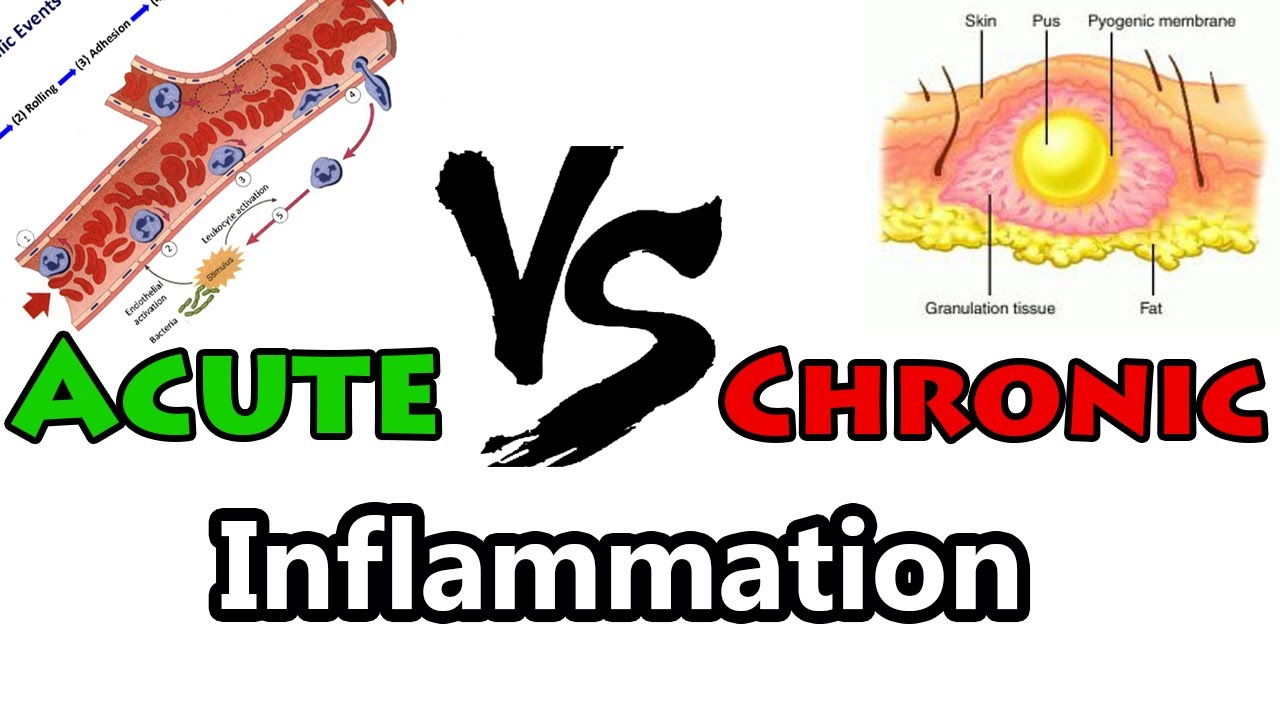
Acute Inflammation
Acute inflammation develops quickly and is the body’s natural response to injury or irritation. Symptoms such as pain, swelling, redness, and stiffness usually last a few days, although some cases may continue for several weeks.
Chronic Inflammation
Chronic inflammation is long-term inflammation that may last for months or even years. While inflammation is necessary for healing, ongoing inflammation can contribute to chronic pain, joint problems, autoimmune conditions, heart disease, and other health concerns. Proper management of inflammation is important for overall health and recovery.
 Common Treatments for Inflammation
Anti-Inflammatory Diet
One of the safest and most effective ways to help reduce inflammation naturally is through nutrition. An anti-inflammatory diet may help decrease chronic inflammation, support joint health, and improve overall wellness.
Foods that may help reduce inflammation include:
- Olive oil
- Tomatoes
- Nuts such as walnuts and almonds
- Leafy green vegetables including spinach and kale
- Fatty fish such as salmon and mackerel
- Fruits including blueberries and oranges
Eating whole, nutrient-rich foods regularly may help support the body’s natural healing process and reduce inflammation over time.

Foods That May Increase Inflammation
Certain foods may aggravate inflammation and contribute to joint pain, stiffness, fatigue, and other chronic health issues. Limiting these foods may help improve overall health and reduce inflammation naturally.
Foods commonly linked to increased inflammation include:
- Fried foods, including French fries
- White bread, pastries, and refined carbohydrates
- Soda and sugary drinks
- Processed and red meats
- Margarine and lard
Reducing processed foods and choosing more whole, nutrient-dense foods may help support healing and long-term wellness.

While these dietary solutions do not alone hold the key to controlling inflammation, they can help prime the immune system to react in a measured way. I recommend a Paleo Diet.
Supplements to reduce inflammation
- Omega 3
- Turmeric
- Boswellia
- Pancreatic Enzymes (Bromelain, Protease, Amylase, Lipase)
- Resveratrol
- Saligesic
- Others depending on cause of the inflammation

Stop Smoking and Reduce Alcohol Intake
Smoking and alcohol use can significantly increase inflammation and contribute to chronic pain and degenerative conditions.
Smokers are nearly three times more likely to develop low back pain. Smoking can also worsen abdominal pain, joint pain, and overall pain sensitivity. In addition, tobacco reduces oxygen delivery to bones and soft tissues, which may contribute to spinal disc degeneration and osteoporosis over time.
Alcohol has also been shown to increase inflammatory markers in the body. Furthermore, it may disrupt healthy gut bacteria, potentially contributing to “leaky gut,” a condition linked to widespread inflammation and possible long-term organ stress.
Reducing or eliminating smoking and limiting alcohol intake may help lower inflammation, improve healing, and support overall musculoskeletal health.
Homeopathic Injections for Inflammation and Pain
Homeopathic injections are a natural treatment option used to help manage painful inflammation in the body. These injections may be used for a variety of musculoskeletal conditions that involve inflammation and pain.
This type of therapy is commonly used to support healing in soft tissues, including muscles, ligaments, bursae, and tendons. Many acute and chronic injuries may respond well to this approach as part of a broader treatment plan.
Homeopathic injections are considered very safe, with no known significant drug interactions or serious adverse reactions reported. For many patients, they offer a gentle, non-invasive, and low-cost option to help reduce inflammation and discomfort.
They may be used alone or in combination with other therapies, depending on the individual case. More information on this treatment option will be provided in a follow-up email.
Corticosteroids for Inflammation
Corticosteroids, are a class of steroid medications that help reduce inflammation in the body. They work by blocking several of the immune system processes that trigger swelling, pain, and inflammatory responses.
These medications may be used in certain cases to help reduce inflammation and provide short-term pain relief. However, because of potential side effects, they are typically not considered a first-line treatment.
For many patients, it is recommended to explore other conservative or natural treatment options first, depending on the severity and cause of the condition.
If you need help with inflammation then call us today at 801-523-2582 or click here to schedule online and lets get you on the road to felling better, today.
Information adapted from: www.medicalnewstoday.com/articles/248423.php#rate-this-article
